
Understanding the Value of Interior Design Consultations
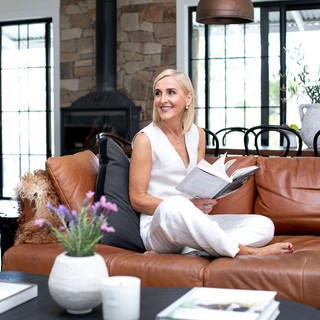
When it comes to transforming a house into a home that truly reflects your style and personality, the journey can feel both exciting and overwhelming. You might wonder where to start, how to blend aesthetics with functionality, or how to ensure your investment adds lasting value. This is where an interior design consultation becomes a game-changer. It’s not just about picking colors or furniture; it’s about crafting a space that feels timeless, luxurious, and uniquely yours.
Why Interior Design Consultations Matter
Imagine walking into a room that instantly feels right - every detail harmonizes perfectly, from the lighting to the textures, creating a welcoming atmosphere. That’s the magic a professional interior design consultation can unlock. It’s a personalized session where your vision meets expert guidance, helping you avoid costly mistakes and unnecessary stress.
An interior design consultation offers several key benefits:
Clarity and Direction: You gain a clear roadmap for your project, tailored to your lifestyle and preferences.
Budget Optimization: Designers help you prioritize spending, ensuring you get the best value without compromising quality.
Access to Expertise: From space planning to material selection, you tap into years of professional knowledge.
Increased Property Value: Thoughtful design enhances your home’s appeal and market worth.
For example, if you’re renovating a Gold Coast property, a consultation can help you incorporate coastal elements that complement the local environment while maintaining a sophisticated look. This balance is crucial for creating a timeless space that resonates with both you and potential buyers.

How Interior Design Consultations Enhance Your Renovation Experience
Renovations can be complex, with many moving parts and decisions to make. A consultation acts as your compass, guiding you through the process smoothly. Here’s how it enhances your experience:
Personalized Style Assessment: Designers listen carefully to your tastes, lifestyle needs, and aspirations. This ensures the final design feels authentic and comfortable.
Space Optimization: Professionals analyze your home’s layout to maximize functionality without sacrificing style.
Material and Finish Selection: Choosing the right materials can be daunting. A consultation provides expert advice on durable, high-quality options that suit your aesthetic.
Timeline and Project Management: You receive a realistic timeline and clear milestones, reducing surprises and delays.
Consider a client who wanted to blend modern luxury with rustic charm. Through a consultation, the designer suggested a mix of sleek marble countertops with reclaimed wood accents, creating a unique yet cohesive look. This thoughtful approach saved time and money by avoiding trial and error.

What is the consultation process for interior design?
Understanding the consultation process can help you feel more confident about taking the first step. Typically, it unfolds in several stages:
Initial Meeting: This is where you share your vision, goals, and budget. The designer asks questions to understand your lifestyle and preferences.
Home Assessment: The designer visits your space to take measurements, assess lighting, and note architectural features.
Concept Development: Based on your input, the designer creates mood boards, sketches, or digital renderings to illustrate ideas.
Feedback and Refinement: You review the concepts and provide feedback. Adjustments are made until the design feels just right.
Detailed Proposal: The designer presents a comprehensive plan, including materials, color schemes, furniture, and estimated costs.
Next Steps: If you decide to proceed, the designer can manage sourcing, scheduling, and installation.
This process ensures transparency and collaboration, making you an active participant in shaping your dream home.

How to Prepare for Your Interior Design Consultation
To make the most of your consultation, a little preparation goes a long way. Here are some tips to help you get ready:
Gather Inspiration: Collect images, magazine clippings, or Pinterest boards that reflect your style.
List Your Priorities: Think about what’s most important - whether it’s storage, lighting, or a specific color palette.
Set a Realistic Budget: Have a clear idea of how much you’re willing to invest.
Be Open and Honest: Share your likes, dislikes, and any concerns. Transparency helps the designer tailor solutions.
Prepare Questions: Don’t hesitate to ask about timelines, materials, or how the designer handles challenges.
By coming prepared, you’ll create a productive dialogue that leads to a design you love.
Bringing Your Vision to Life with Expert Guidance
At the heart of every successful renovation is a strong partnership between you and your designer. An interior design consultation is the first step toward that partnership. It’s where your ideas are nurtured, refined, and transformed into a plan that elevates your home’s beauty and functionality.
Working with a trusted firm like Alenka Interiors means you’re supported by professionals who understand the unique charm of the Gold Coast to Byron Bay region. They specialize in creating high-end, timeless living spaces that not only look stunning but also increase your property’s value.
So, why wait? Embrace the opportunity to collaborate with experts who care about your home as much as you do. Your dream space is just a consultation away.


Comments