
Integrating Architecture and Interiors: Crafting Timeless Living Spaces

When it comes to creating a home that truly feels like a sanctuary, the magic happens where architecture and interiors meet. Have you ever walked into a space and felt instantly at ease, as if every corner was designed just for you? That seamless harmony between the structure of a home and its interior elements is no accident. It’s the result of thoughtful integration, where every beam, wall, and surface works in concert with furnishings, colors, and textures.
Let’s explore how blending architecture and interiors can elevate your living space, making it not only beautiful but also functional and timeless.
Why Integrating Architecture and Interiors Matters
Imagine building a house where the walls, windows, and floors are designed without considering how the furniture will fit or how natural light will play across the room. It’s like writing a story without thinking about the characters. The result? A disjointed experience that feels cold or chaotic.
When architecture and interiors are integrated from the start, the home becomes a cohesive narrative. Here’s why this matters:
Flow and Functionality: Spaces are designed to support how you live, from the kitchen layout to the placement of lighting.
Aesthetic Unity: Materials, colors, and shapes echo each other, creating a visual rhythm that’s pleasing to the eye.
Enhanced Comfort: Thoughtful design considers acoustics, natural light, and temperature control, making your home more comfortable.
Increased Property Value: Homes with well-integrated design often command higher prices because they offer a superior living experience.
For example, a Gold Coast home with large glass walls might feature interiors that embrace coastal colors and textures, blurring the line between indoors and outdoors. This kind of integration invites nature inside and creates a serene, luxurious atmosphere.

How Architecture and Interiors Work Together
The relationship between architecture and interiors is like a dance. Each step influences the other, and when done well, the result is graceful and effortless. Here’s how they collaborate:
Structural Elements Shape Interior Design
Architectural features such as ceiling height, window placement, and room dimensions set the stage for interior design choices. For instance:
High ceilings allow for dramatic lighting fixtures and tall furniture.
Open floor plans encourage flexible furniture arrangements and multifunctional spaces.
Natural light guides the selection of colors and materials that enhance brightness or create cozy nooks.
Interior Design Complements Architecture
Conversely, interior design can highlight or soften architectural elements:
Using soft textiles and warm colors can balance the starkness of concrete or steel.
Custom cabinetry can fit perfectly into architectural niches, maximizing space.
Lighting design can accentuate architectural details like arches or exposed beams.
Collaboration is Key
The best results come from early collaboration between architects and interior designers. This teamwork ensures:
Consistency in style and materials.
Efficient use of space and budget.
A smoother construction and renovation process.
If you’re planning a renovation or new build, consider involving your interior designer during the architectural planning phase. This approach helps avoid costly changes later and ensures your vision is realized fully.
What Pays More, an Architect or an Interior Designer?
You might wonder about the financial side of these professions, especially if you’re budgeting for a project. Generally speaking, architects tend to earn more than interior designers, but the difference depends on several factors:
Scope of Work: Architects handle the structural design, permits, and compliance with building codes, which requires extensive education and licensing.
Experience and Location: Salaries vary widely based on experience, reputation, and geographic location.
Project Type: High-end residential projects often pay more, and some interior designers specializing in luxury markets can command fees comparable to architects.
For homeowners investing in high-end renovations, both professionals bring invaluable expertise. Architects ensure your home is safe, functional, and structurally sound, while interior designers create the atmosphere and style that make your house a home.
Practical Tips for Integrating Architecture and Interiors in Your Home
Ready to bring harmony to your living space? Here are some actionable recommendations to help you integrate architecture and interiors effectively:
Start Early
Engage both your architect and interior designer from the beginning. Early collaboration prevents design clashes and streamlines decision-making.
Focus on Materials
Choose materials that work well both structurally and aesthetically. For example, natural stone can be used for exterior walls and interior countertops, creating continuity.
Consider Lighting
Plan for natural and artificial lighting together. Architectural features like skylights should be complemented by interior lighting that enhances mood and function.
Embrace Open Spaces
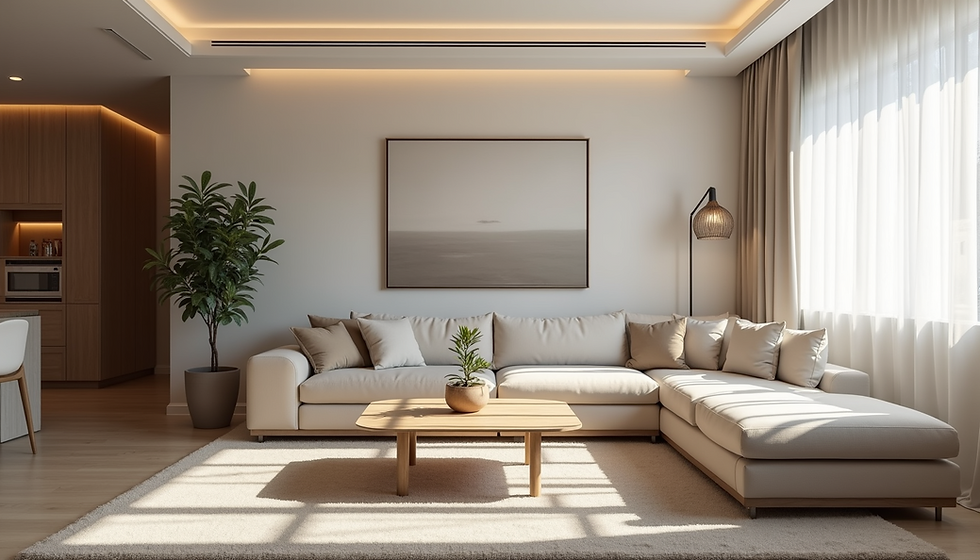
Open floor plans encourage fluid movement and flexible use of space. Use furniture and rugs to define zones without breaking the architectural flow.
Personalize Thoughtfully
Incorporate personal touches that reflect your lifestyle but maintain the overall design language. Custom built-ins or art pieces can tie the space together.
Think Long-Term
Invest in timeless design elements rather than trends. Classic materials and neutral palettes provide a lasting foundation that can evolve with your tastes.
Maximize Views and Nature
Align windows and doors to capture views and natural light. Interiors should enhance these features with complementary colors and textures.
By following these tips, you’ll create a home that feels intentional and inviting, where every detail supports your daily life and aesthetic preferences.

Bringing It All Together: Your Dream Home Awaits
Integrating architecture and interiors is more than a design strategy - it’s a philosophy that transforms houses into homes. When structure and style work hand in hand, the result is a space that feels natural, welcoming, and uniquely yours.
Whether you’re dreaming of a sleek modern retreat or a warm coastal haven, remember that the journey starts with collaboration and thoughtful planning. By embracing the synergy between architecture and interiors, you’re investing in a home that not only looks stunning but also enhances your lifestyle and increases your property’s value.
If you’re ready to embark on this exciting transformation, consider partnering with experts who understand the nuances of high-end design and renovation. Together, you can create timeless living spaces that reflect your vision and stand the test of time.
For more insights on how to blend form and function beautifully, explore the world of architecture and interior design and discover how your dream home can become a reality.

Comments