
The Influence of Architecture on Interior Design: Exploring Architecture's Role in Design
- Alenka Dirnbek

- Dec 16, 2025
- 5 min read
When I think about the spaces we live in, it’s clear that architecture and interior design are like two sides of the same coin. They work hand in hand to create environments that are not only beautiful but also functional and inviting. Have you ever walked into a room and felt instantly at ease or inspired? That feeling often comes from the seamless blend of architectural elements and interior design choices. Today, I want to take you on a journey through how architecture shapes interior design and why understanding this relationship can transform your home into a timeless sanctuary.
Understanding Architecture's Role in Design
Architecture is the skeleton of any building - it sets the stage for everything that happens inside. When we talk about architecture's role in design, we’re really discussing how the structure, form, and spatial layout influence the way interiors are planned and styled. For example, the height of ceilings, the placement of windows, and the flow between rooms all dictate what kind of furniture fits best, how light moves through the space, and even the color palette that will feel most harmonious.
Imagine a home with soaring ceilings and large, arched windows. The architecture invites you to choose interiors that emphasize openness and lightness - think airy fabrics, minimalist furniture, and soft, neutral tones. On the other hand, a cozy cottage with low ceilings and small windows might call for warm textures, rich colors, and layered lighting to create a snug, welcoming atmosphere.
The beauty of this relationship is that architecture provides the canvas, and interior design adds the brushstrokes that bring the space to life. When these two elements are thoughtfully aligned, the result is a home that feels both cohesive and personalized.

How Architectural Features Inspire Interior Choices
Architectural details are like the personality traits of a home. They tell a story and set the tone for the interiors. Let’s break down some common architectural features and how they inspire interior design decisions:
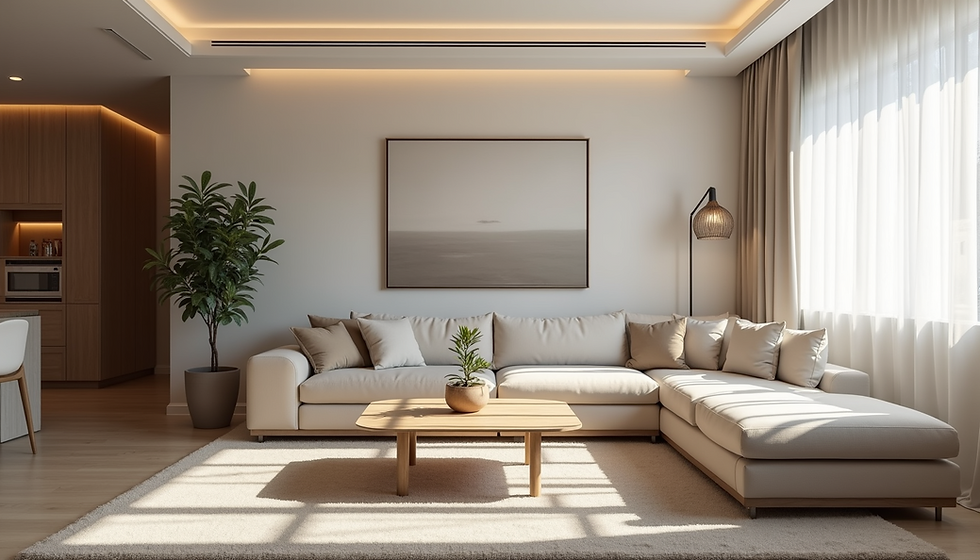
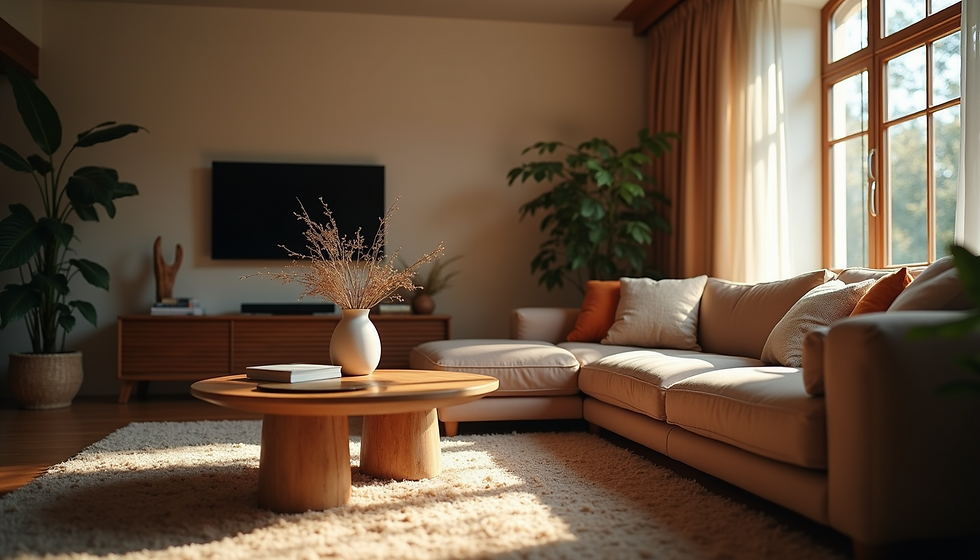
Windows and Natural Light: Large windows flood rooms with daylight, encouraging the use of light, reflective surfaces and plants to enhance the connection with nature. Smaller windows might inspire cozy reading nooks or layered window treatments for privacy and warmth.
Ceiling Height and Shape: Vaulted or cathedral ceilings create drama and grandeur, perfect for statement lighting and bold furniture pieces. Flat or low ceilings often benefit from streamlined designs and lighter colors to avoid feeling cramped.
Floor Plan and Flow: Open floor plans promote flexible, multifunctional spaces with modular furniture, while segmented layouts might call for distinct design themes in each room to highlight their unique purposes.
Materials and Textures: Exposed brick, wooden beams, or concrete walls influence the choice of complementary textures and finishes. For instance, rustic beams pair beautifully with natural fabrics and vintage décor, while sleek concrete might inspire modern, minimalist interiors.
By paying attention to these architectural cues, you can make interior design choices that feel natural and enhance the home’s original character.
Can you be an interior designer with an architecture degree?
This question often comes up, and the answer is a resounding yes! Having an architecture degree provides a strong foundation for a career in interior design. Why? Because architecture teaches you to think about space, structure, and function from the ground up. You learn how buildings are constructed, how materials behave, and how to optimize layouts for both aesthetics and practicality.
With this knowledge, transitioning into interior design allows you to focus more on the human experience within those spaces. You can design interiors that not only look stunning but also respect the building’s integrity and enhance its usability. Many successful interior designers started with architecture degrees because it gives them a unique edge in understanding the full scope of a project.
If you’re considering this path, I recommend supplementing your architectural training with courses in color theory, textiles, and furniture design to round out your skill set. Practical experience through internships or collaborations with interior design firms can also be invaluable.
Practical Tips for Homeowners: Leveraging Architecture in Your Interior Design
If you’re looking to elevate your home’s interior, here are some actionable recommendations to make the most of your architecture:
Highlight Architectural Features: Instead of hiding beams, columns, or moldings, celebrate them. Use lighting to accentuate these elements or choose furniture that complements their style.
Work with the Flow: Arrange furniture to enhance natural pathways and sightlines. Avoid blocking windows or doorways to maintain openness and ease of movement.
Choose Colors Wisely: Let the architecture guide your palette. For example, a home with lots of natural stone might pair beautifully with earthy tones, while a modern glass façade could inspire cooler, monochromatic schemes.
Balance Scale and Proportion: Match furniture size to room dimensions. Large rooms can handle bold, oversized pieces, while smaller spaces benefit from sleek, space-saving designs.
Incorporate Natural Light: Use mirrors and light-colored surfaces to amplify daylight. Consider window treatments that allow flexibility between privacy and openness.
Blend Old and New: If your home has historic architectural details, mix them with contemporary furnishings for a timeless look that feels fresh and curated.
By embracing your home’s architectural identity, you create interiors that feel authentic and thoughtfully designed.

Why Architecture and Interior Design Are a Perfect Partnership
At the heart of every beautiful home is a partnership between architecture and interior design. This collaboration ensures that the space is not only visually appealing but also functional and comfortable. When these disciplines work together from the start, the result is a seamless experience for homeowners.
For those seeking high-end interior design and renovations, understanding this synergy is key. It means your home will not only look stunning but also increase in value and stand the test of time. The right design firm will respect your home’s architectural roots while infusing it with your personal style and modern comforts.
If you’re dreaming of a home transformation along the Gold Coast to Byron Bay, consider how the architecture can guide your interior choices. This approach will help you create a living space that feels both luxurious and inviting - a true reflection of you.
I hope this exploration of architecture's role in design has inspired you to look at your home through a new lens. Remember, the magic happens when structure and style come together in harmony. If you want to dive deeper into this topic or start planning your own home makeover, I’m here to help you every step of the way.
For more insights on how to blend architecture and interior design, check out architecture and interior design and discover how expert guidance can turn your vision into reality.

Comments