
Defining Luxury in Interior Design: Exploring the Elements of Luxury Design
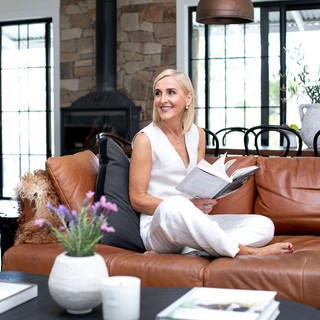
When we think about luxury in interior design, what comes to mind? Is it the gleam of marble countertops, the plushness of velvet sofas, or perhaps the subtle glow of bespoke lighting? Luxury is more than just opulence or price tags. It’s a feeling, an experience, a story told through every corner of a room. Today, I want to take you on a journey to uncover the true elements of luxury design and how they can transform your living space into something timeless and extraordinary.
The Elements of Luxury Design: What Makes a Space Truly Luxurious?
Luxury design is often mistaken for extravagance, but it’s really about quality and intentionality. Here are some key elements that define luxury in interior spaces:
Material Excellence: Think natural stones like marble or granite, rich hardwoods, and fine textiles such as silk, cashmere, or high-thread-count linens. These materials don’t just look good; they feel good and age gracefully.
Craftsmanship: Luxury is evident in the details. Handcrafted furniture, custom millwork, and artisanal finishes elevate a space beyond the ordinary.
Timelessness: Trends come and go, but luxury design embraces classic styles with a modern twist. This ensures your home remains elegant for years to come.
Comfort and Functionality: A luxurious home isn’t just beautiful; it’s also comfortable and practical. Ergonomic furniture, smart storage solutions, and thoughtful layouts make everyday living a pleasure.
Personalization: Incorporating unique art pieces, heirlooms, or custom designs adds a personal touch that mass-produced items can’t replicate.
By focusing on these elements, you can create a space that feels both indulgent and inviting.

What Defines Luxury Interior Design?
So, what exactly defines luxury interior design? It’s a blend of sensory experiences and visual harmony. Luxury is not just about what you see but also what you feel when you enter a room. Here’s how I break it down:
Balance of Space and Scale: Luxury spaces often have a sense of openness and flow. Rooms aren’t overcrowded but thoughtfully arranged to allow movement and breathing room.
Lighting That Sets the Mood: Layered lighting—ambient, task, and accent—creates depth and warmth. Think crystal chandeliers paired with soft wall sconces or recessed LED strips highlighting architectural features.
Color Palette: Rich, muted tones like deep blues, emerald greens, and warm neutrals often dominate luxury interiors. These colors evoke calm and sophistication.
Statement Pieces: Whether it’s a grand piano, a sculptural chair, or a bespoke rug, luxury interiors often feature one or two standout items that draw the eye and spark conversation.
Integration of Technology: Smart home systems that control lighting, climate, and security seamlessly blend convenience with elegance.
Luxury interior design is about creating a sanctuary that reflects your lifestyle and aspirations. It’s a space where every element works in harmony to tell your story.
How to Incorporate Elements of Luxury Design in Your Home
You don’t need a mansion to enjoy luxury design. Here are some practical ways to bring those elements into your home:
Invest in Key Pieces: Choose a few high-quality furniture items that will last for years. A well-made sofa or a handcrafted dining table can anchor your space.
Layer Textures: Mix materials like velvet cushions, silk curtains, and wool rugs to add depth and comfort.
Upgrade Your Lighting: Swap out basic fixtures for elegant alternatives. Consider dimmers to adjust the ambiance.
Add Art and Accessories: Curate a collection of art, sculptures, or vintage finds that resonate with you.
Focus on Details: Replace standard hardware with brass or matte black finishes. Use custom cabinetry or built-ins to maximize space and style.
Create a Cohesive Color Scheme: Stick to a palette that complements your furniture and enhances natural light.
By thoughtfully layering these elements, you can elevate your home’s aesthetic and create a luxurious atmosphere without overwhelming your budget.

The Role of Sustainability in Luxury Design
Luxury today is evolving. It’s no longer just about extravagance but also about responsibility. Sustainable luxury design focuses on:
Eco-friendly Materials: Bamboo flooring, reclaimed wood, and low-VOC paints reduce environmental impact.
Durability Over Disposable: Investing in pieces that last reduces waste and promotes mindful consumption.
Energy Efficiency: Incorporating LED lighting, smart thermostats, and solar panels aligns luxury with sustainability.
Supporting Local Artisans: Choosing handcrafted items from local makers supports communities and adds authenticity.
Sustainability adds a meaningful layer to luxury, making your home not only beautiful but also conscientious.
Bringing It All Together: Your Path to a Luxurious Home
Transforming your home into a luxurious haven is a journey, not a race. It’s about making choices that reflect your taste, values, and lifestyle. Whether you’re renovating or simply refreshing a room, remember that true luxury is about feeling at home in a space that nurtures and inspires you.
If you’re ready to explore how expert design can elevate your living space, consider partnering with professionals who understand the nuances of luxury interior design. With the right guidance, your home can become a timeless masterpiece that increases in value and joy for years to come.
Luxury is within reach - it’s all about the details, the quality, and the heart you put into your space. So, why not start today? Your dream home awaits.


nice text bro